Graz reveals itself slowly
Graz is Austria’s second-largest city, but it feels compact. This Graz travel guide follows the city at walking pace.
*Advertisement: This article was created as part of a cultural storytelling project in collaboration with Graz Tourism. Editorial independence was maintained at all times.
Red rooftops, inner courtyards, historic façades, small squares. Graz looks carefully composed, yet nothing feels staged. It doesn’t take long to feel oriented. People pass through on their way to work, meet for coffee, run errands. Visitors move through the same streets, sit at the same tables, follow the same daily rhythm.
Spending time here feels uncomplicated. You walk, you sit, you watch.
Moving Through the City
Rather than offering routes or recommendations, this Graz travel guide follows the city through walking and everyday movement. Walking through Graz quickly becomes a way of reading the city. The historic centre is compact, but never tight. Streets open into courtyards, courtyards lead back onto small squares, and nothing feels cut off.
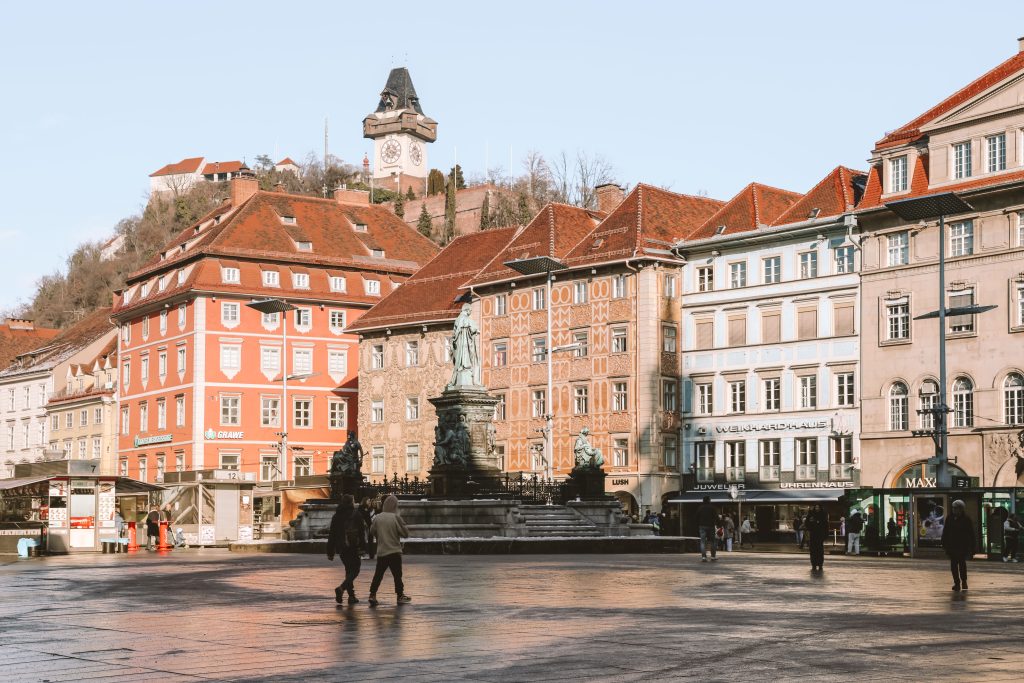
Cafés, bookshops, markets and museums sit close together. You leave for a coffee and stay out longer than planned.
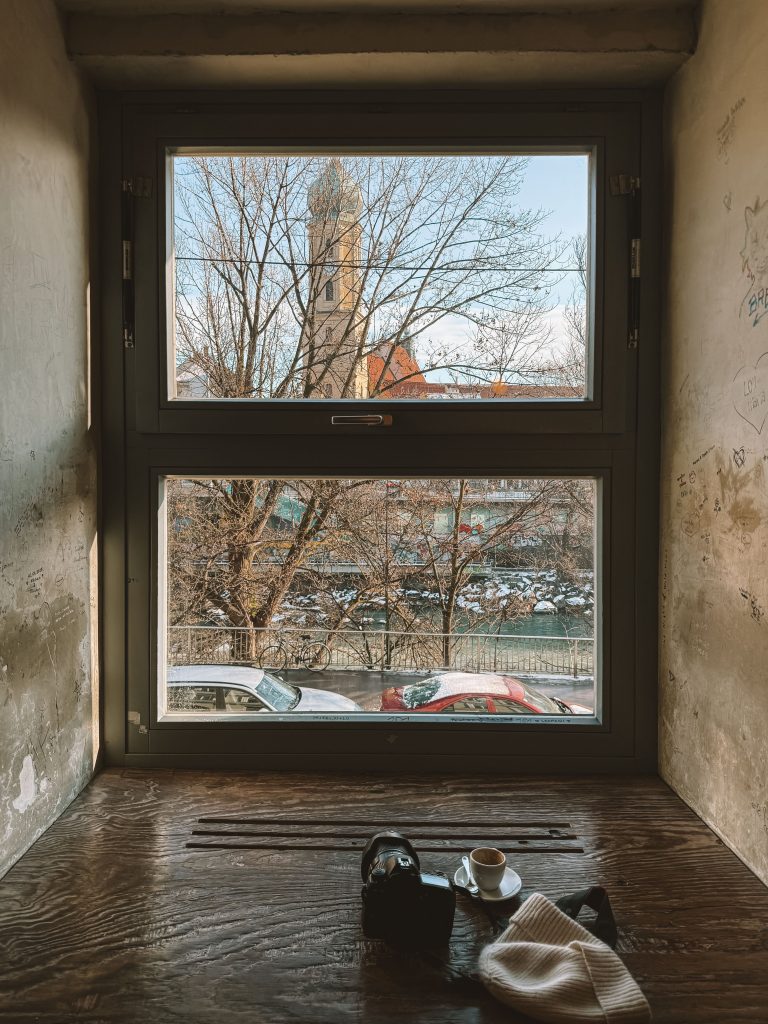
Much of what defines Graz happens between destinations. Shaded courtyards, gently bending streets and views that appear without effort. I rarely checked directions. The city carried me forward.
Culture in Daily Life
Graz has held several cultural titles over the years. European Capital of Culture. UNESCO World Heritage city. UNESCO City of Design.
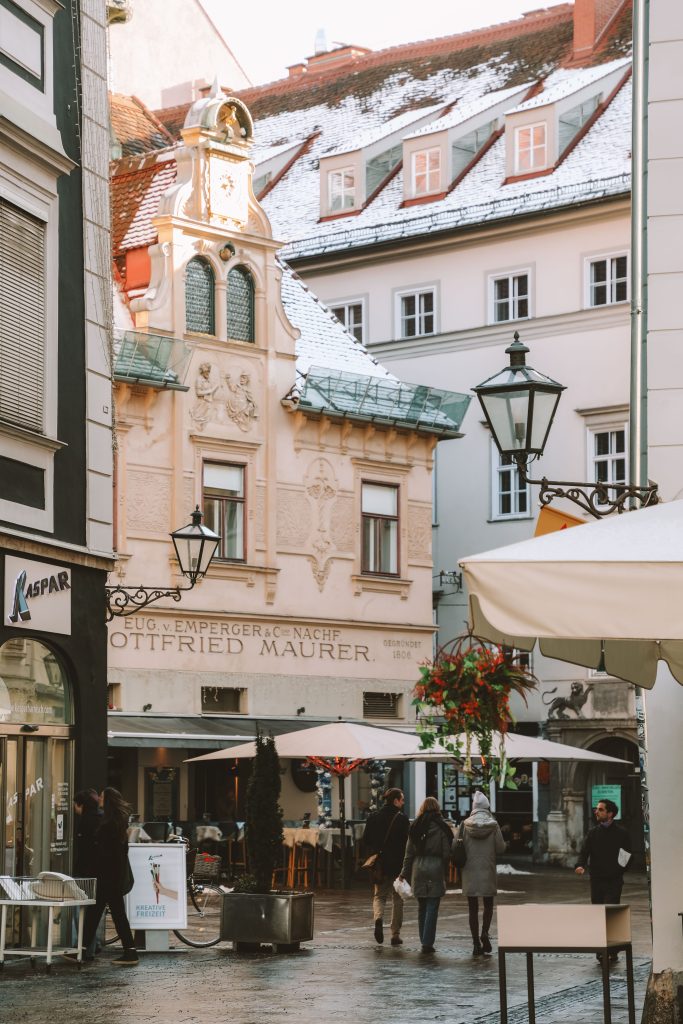
What feels more present is how culture shows up in daily routines. Historic buildings stand next to contemporary architecture without tension. Independent shops and cafés are part of neighbourhood life, not framed as attractions. The city doesn’t comment on itself.
Design, Architecture and the Friendly Alien
Graz’s identity as a City of Design becomes visible in how contemporary architecture fits into the historic cityscape.
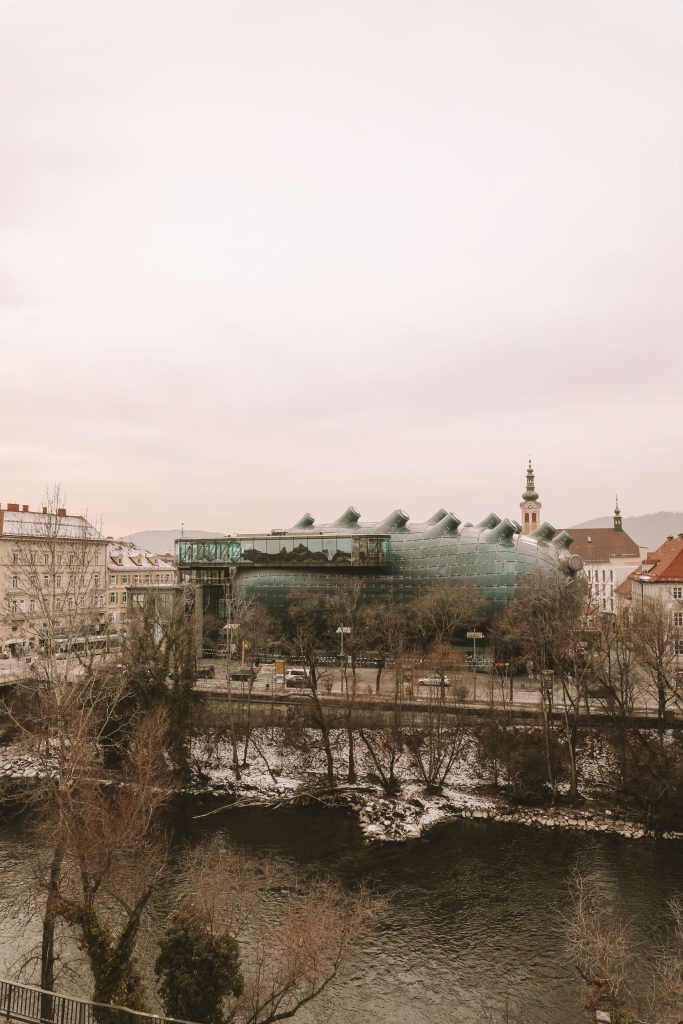
The Kunsthaus Graz, often called the Friendly Alien, rises next to the red rooftops of the old town. Its blue, organic form has become one of the city’s most recognisable landmarks.
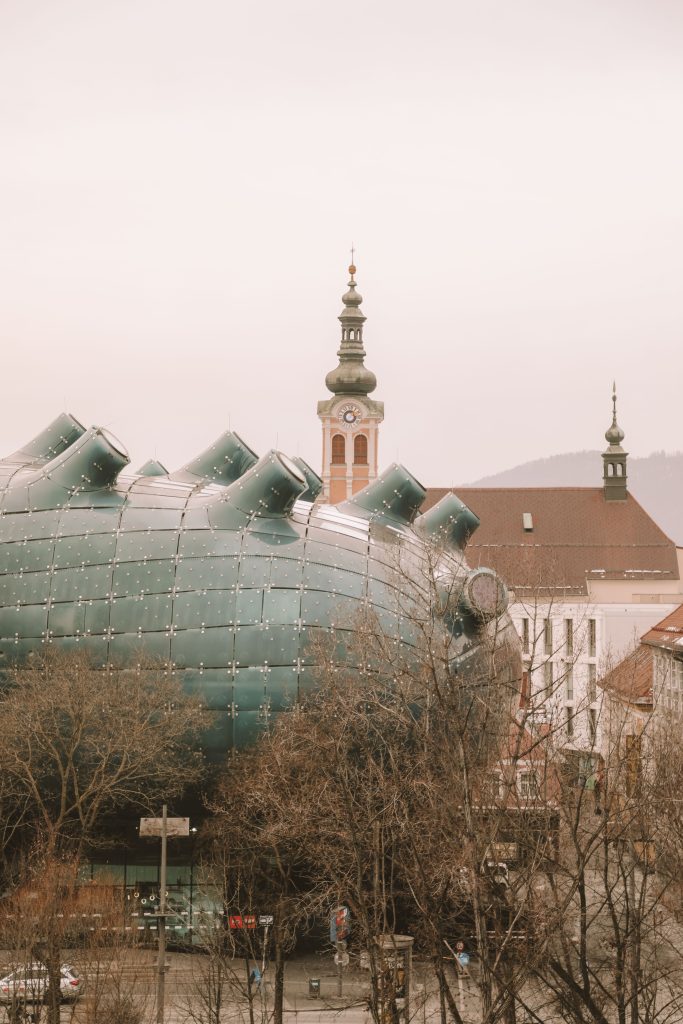
What stands out is how easily it exists alongside its surroundings. It doesn’t compete with the old town. It adds another layer.
Old Town and Visual Rhythm
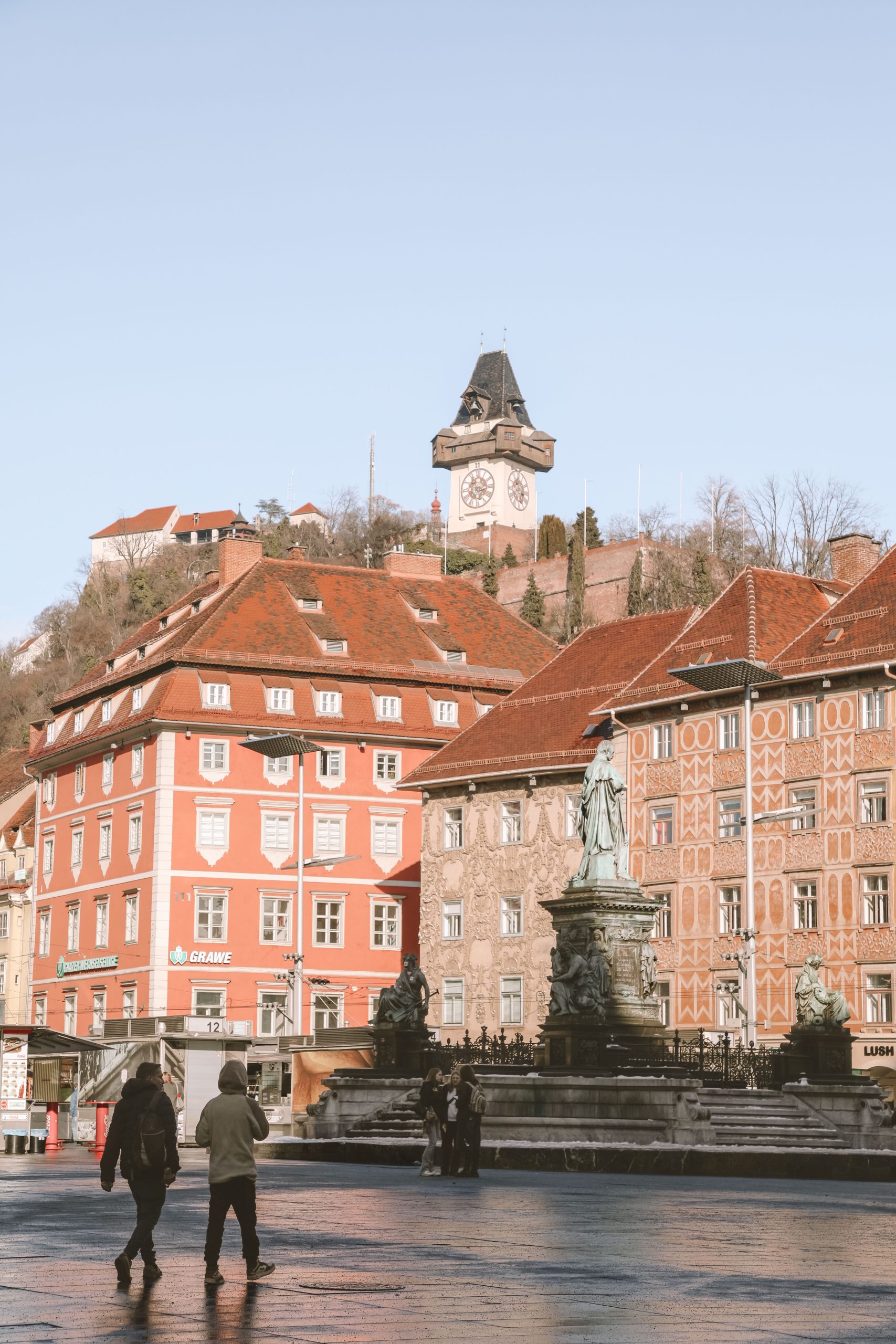
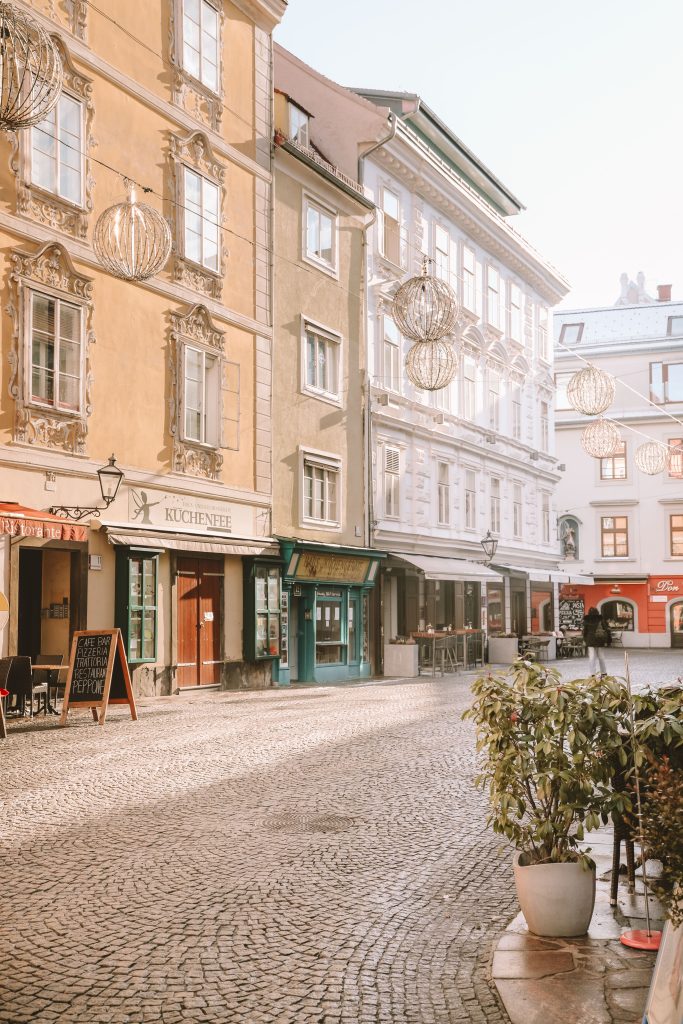
The historic centre of Graz is beautiful. Baroque façades, Renaissance courtyards and narrow streets create a visual rhythm that slows you down.
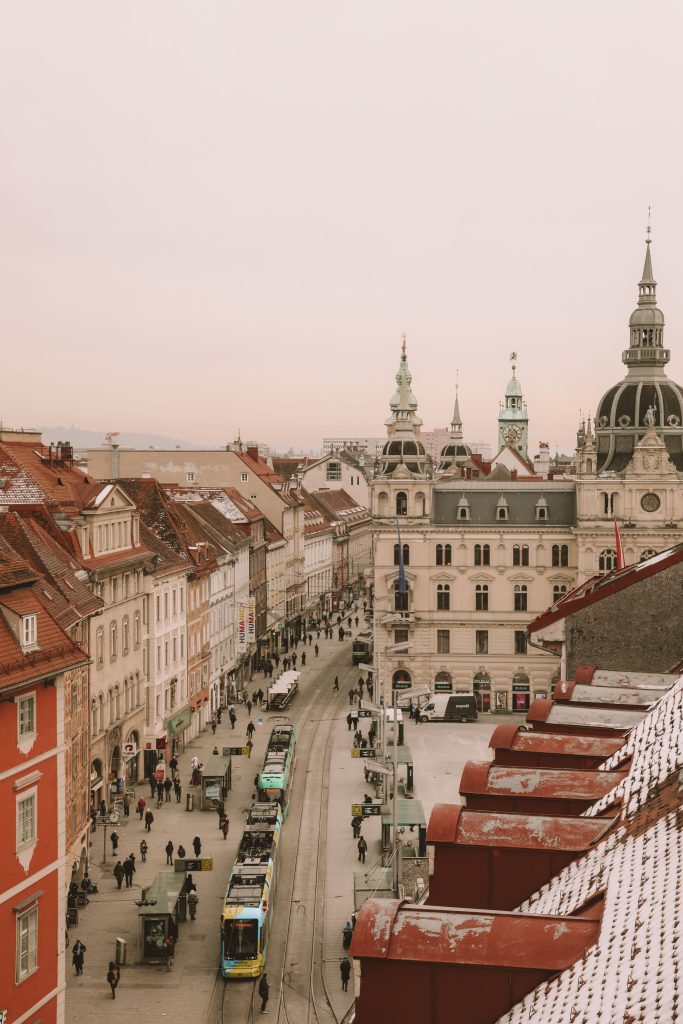
In warmer months, outdoor seating fills the old town. Aperitifs stretch into the evening, conversations move outside, and there is a subtle Italian influence in how public space is used. In winter, the city becomes quieter and more inward-looking, but no less defined. Graz adjusts easily to the season.
Cafés
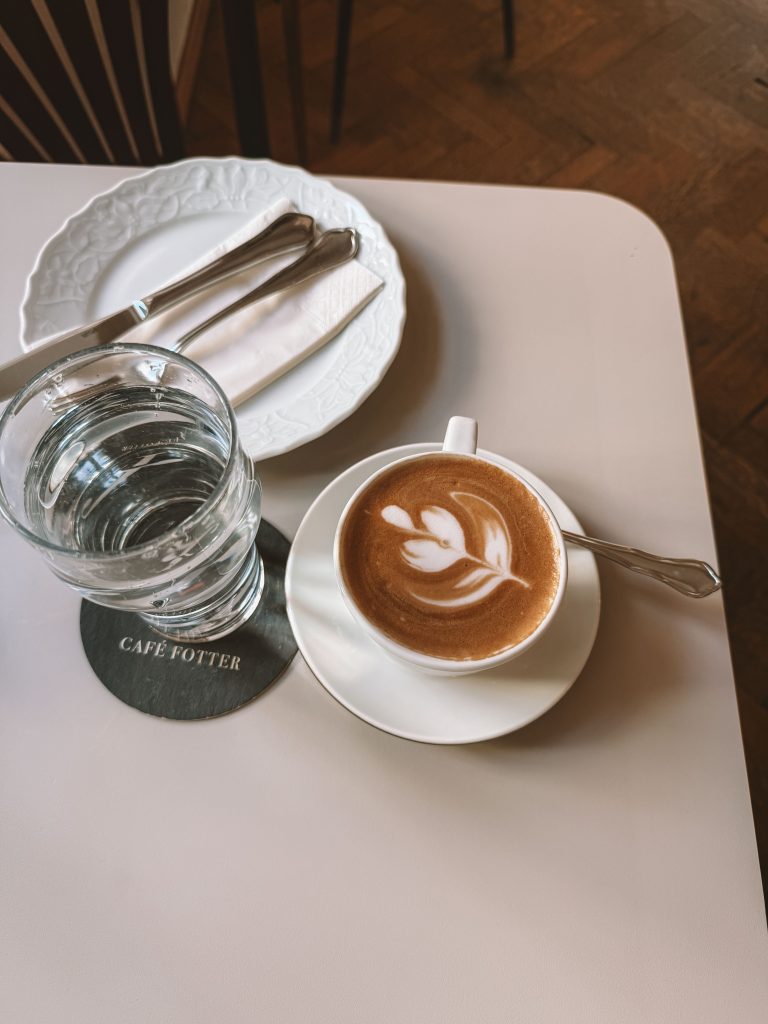
Café culture plays a central role in Graz, not as a concept, but as part of everyday structure.
At Tribeka, people stop briefly for takeaway coffee before work, while others sit by the windows longer than planned. Coffee is roasted in-house, but the atmosphere stays relaxed and practical.
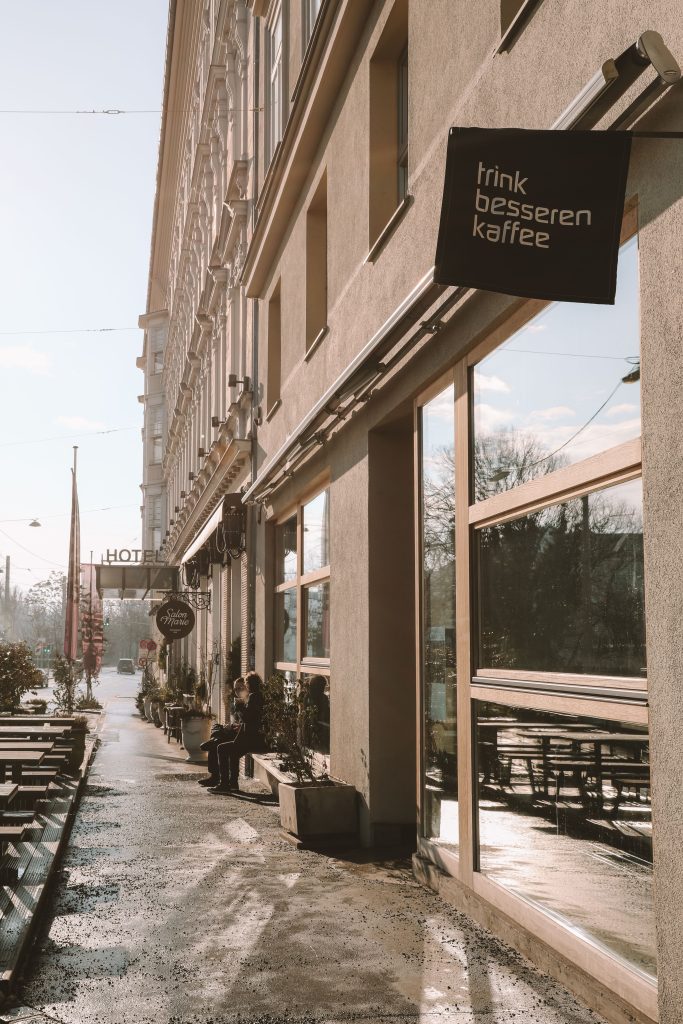
Minimali feels calmer and more design-focused. Clean interiors, carefully chosen objects and excellent coffee create a space that is quiet without feeling distant.
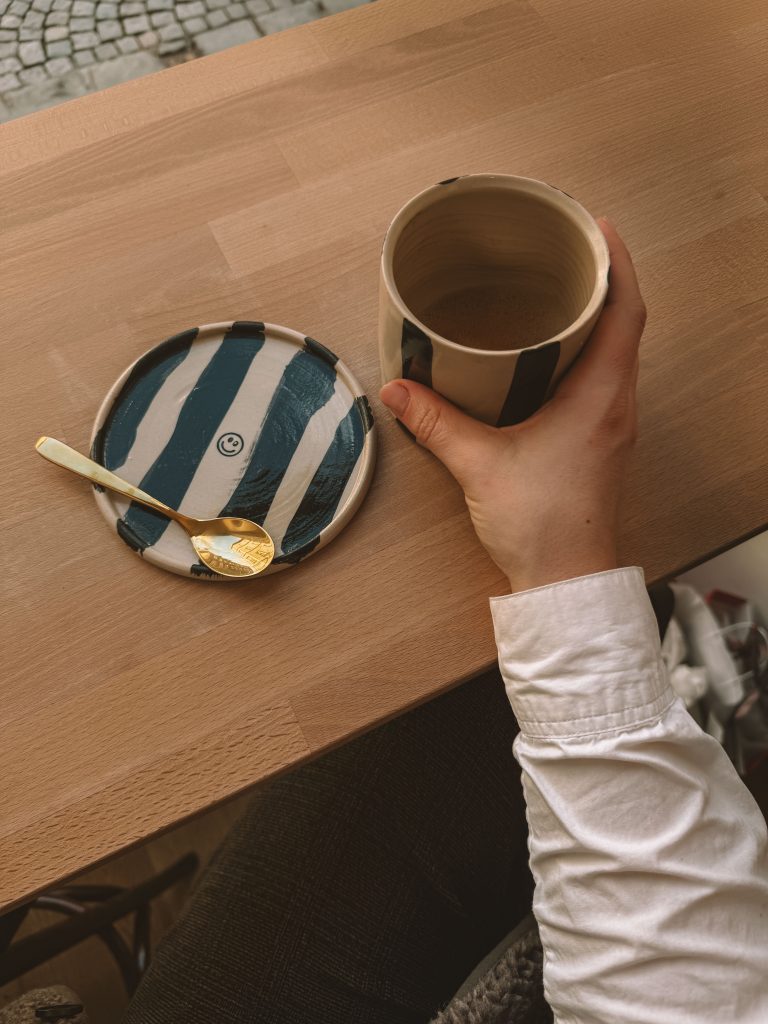
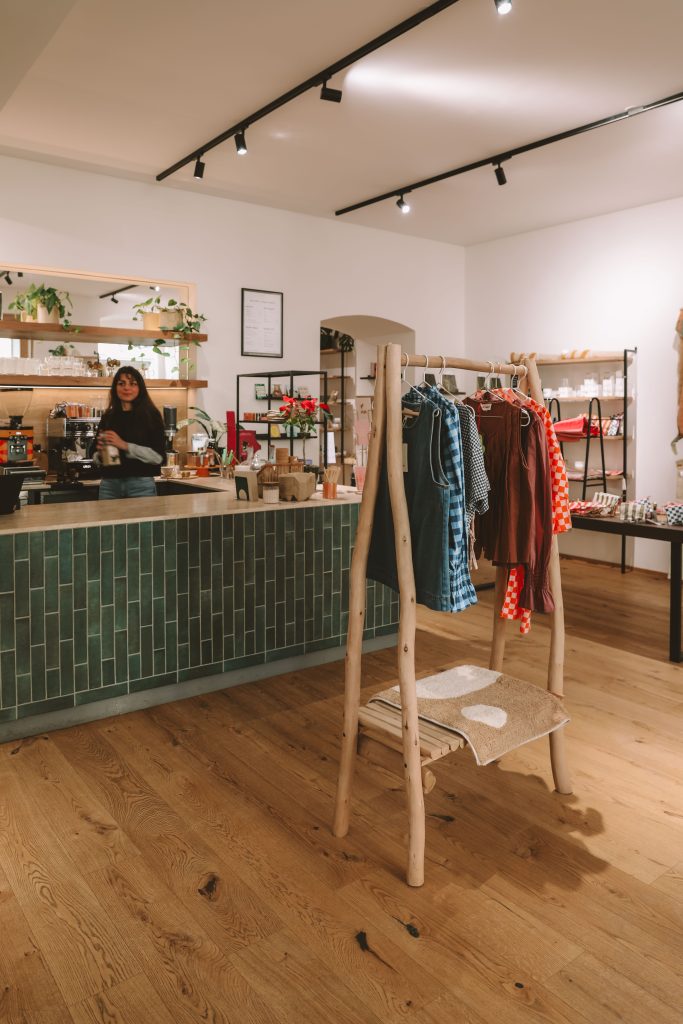
Mangolds works well for longer stretches. People talk, work, read and let time pass without pressure.

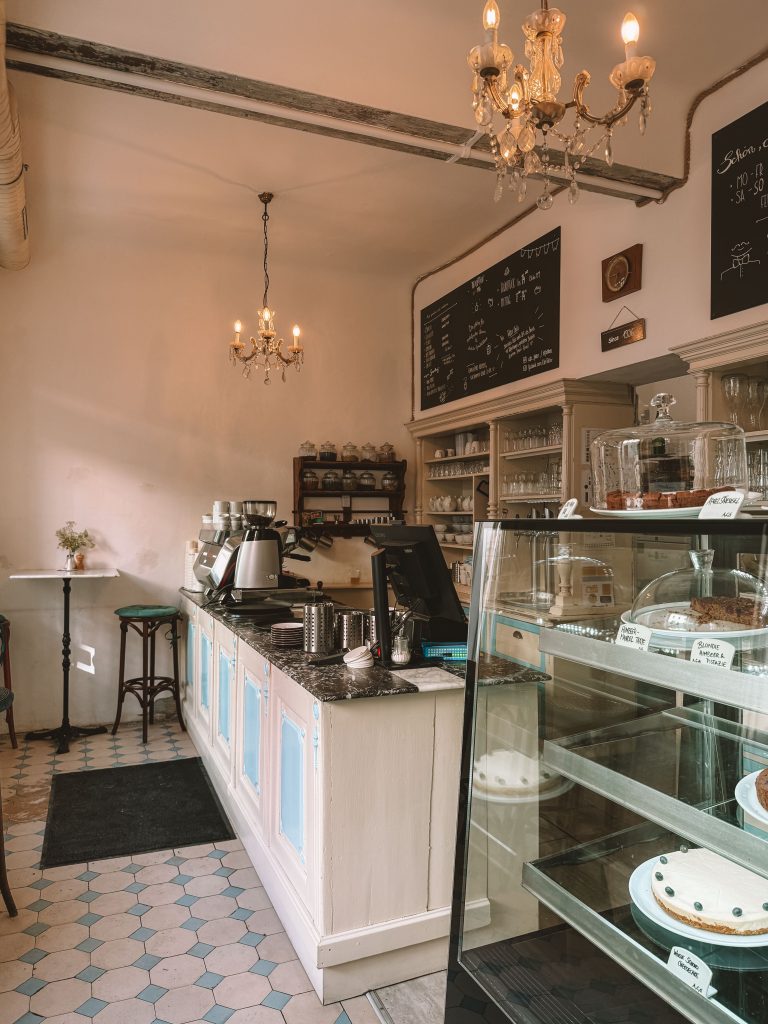
Café Fotter remains a classic address, known for its warm interior and steady rhythm.
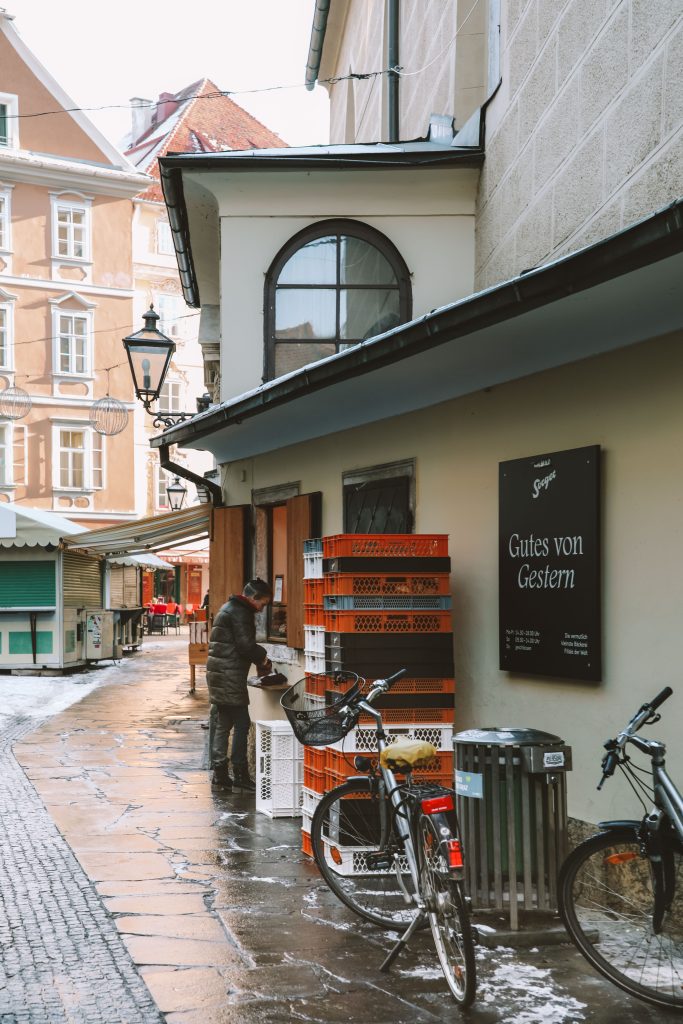
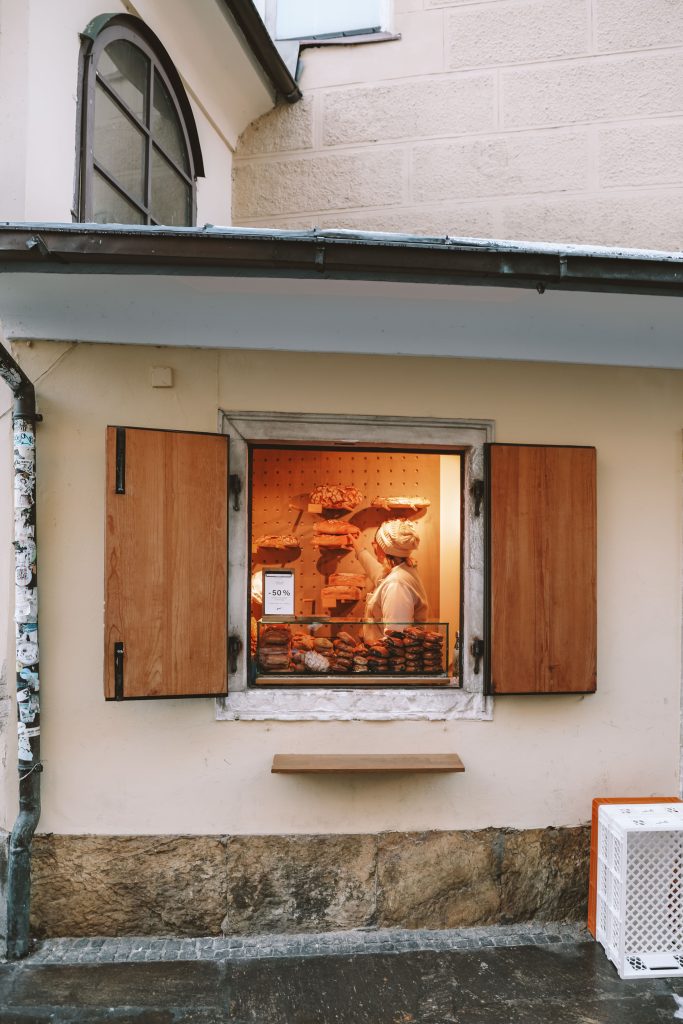
Bäckerei Sorger has several locations across the city. At one small side window, pastries from the previous day are sold.
Eating in Graz
Graz’s food scene feels confident and grounded.
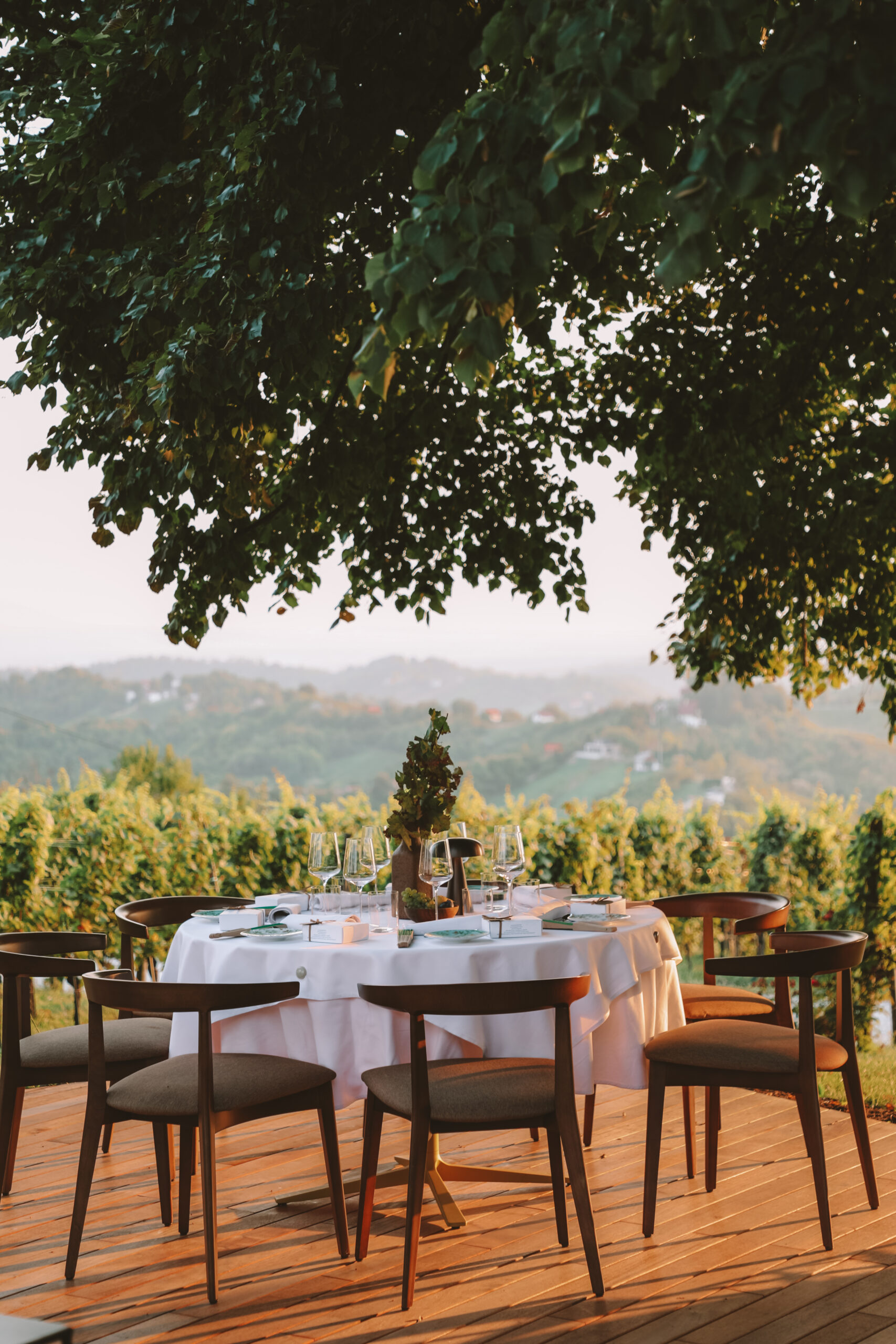
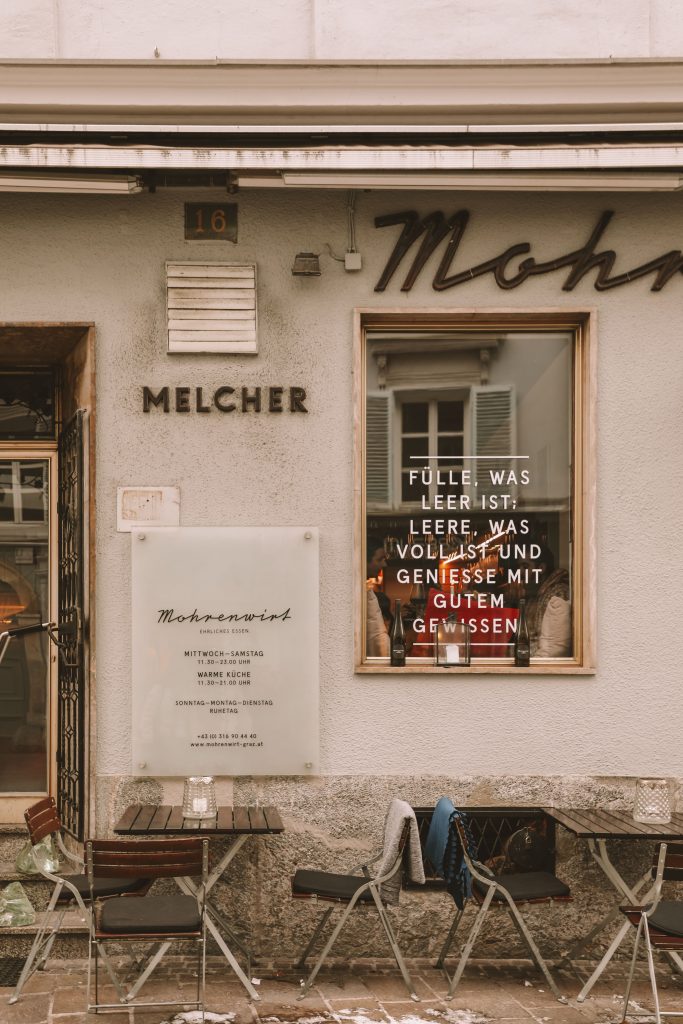
Mohrenwirt represents traditional Graz dining. Seasonal Austrian dishes are served in a setting that feels calm rather than formal, especially when the garden is open.
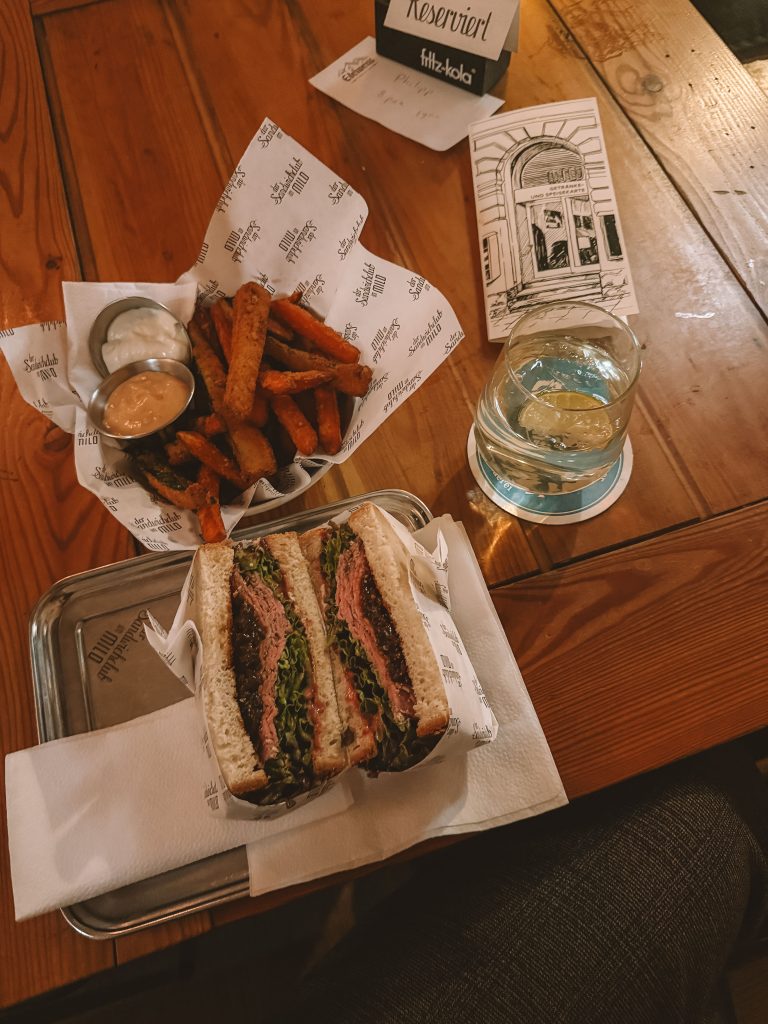
Feinkost Mild is a local favourite. Generous sandwiches and outdoor seating turn lunch into a social pause.
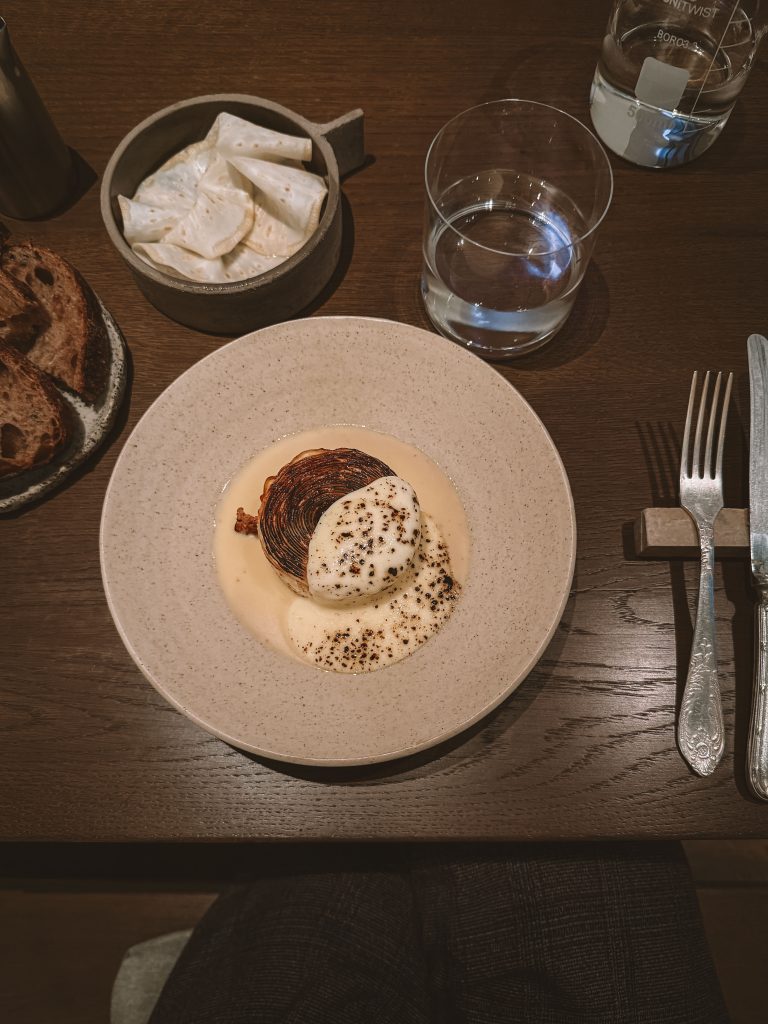
At Kabuff, dining feels contemporary and unforced. The menu changes regularly without trying to impress.
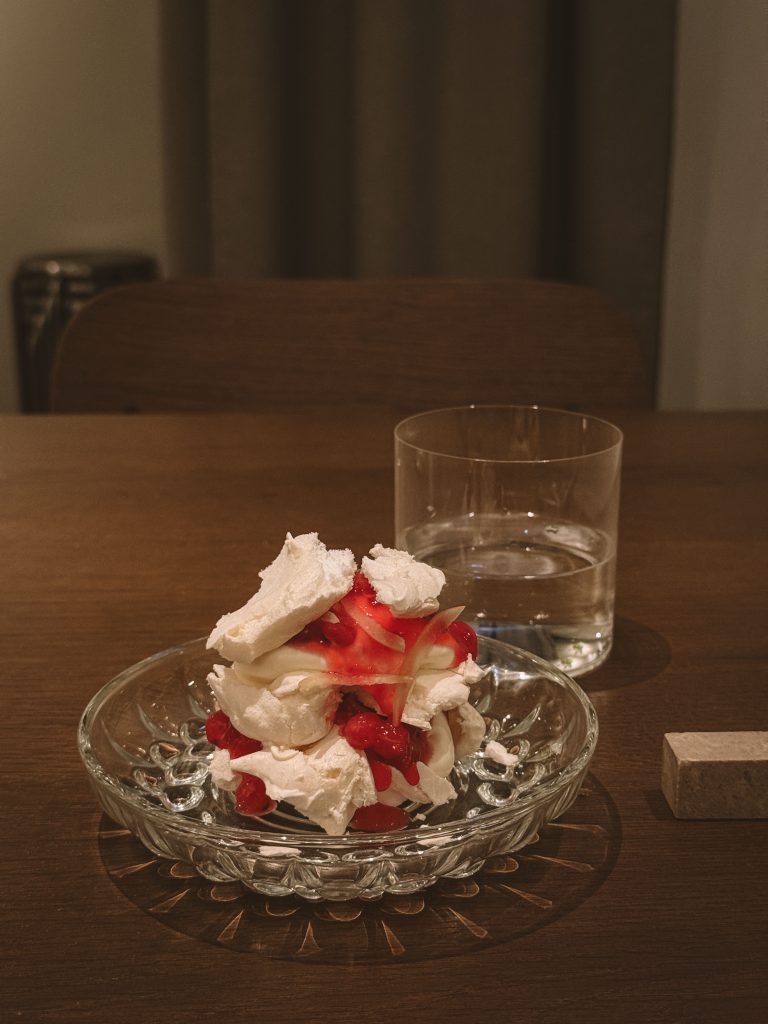
For classic Styrian cuisine, Der Steirer remains closely tied to regional traditions, while Landhauskeller connects local cooking with the city’s history.
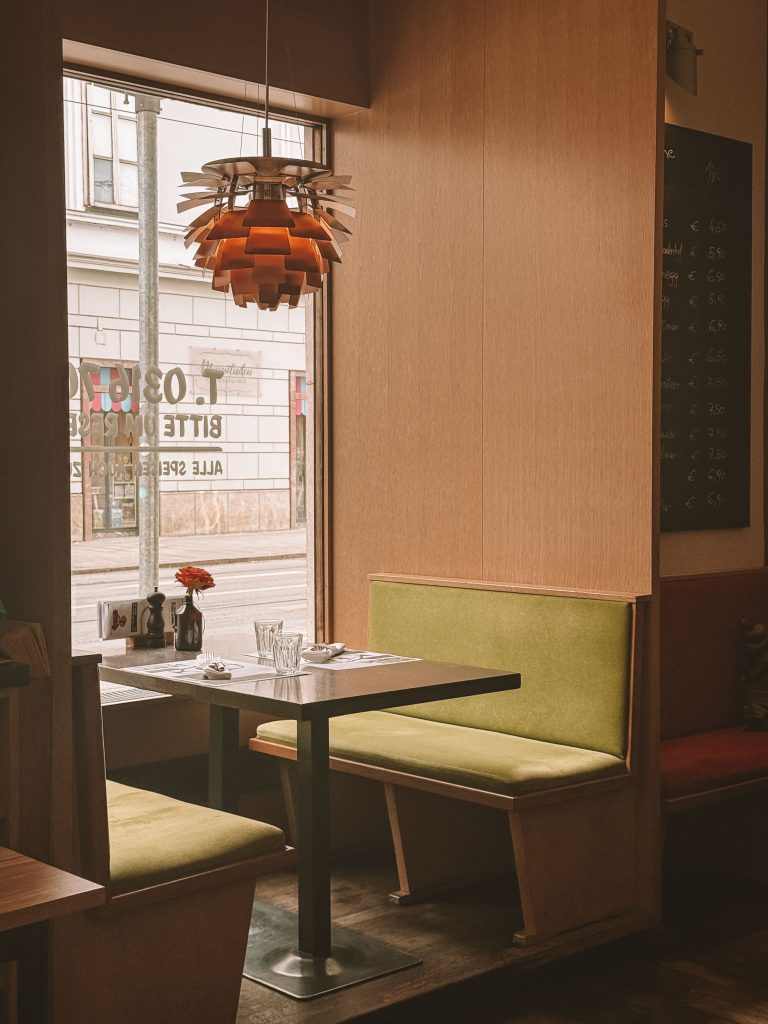
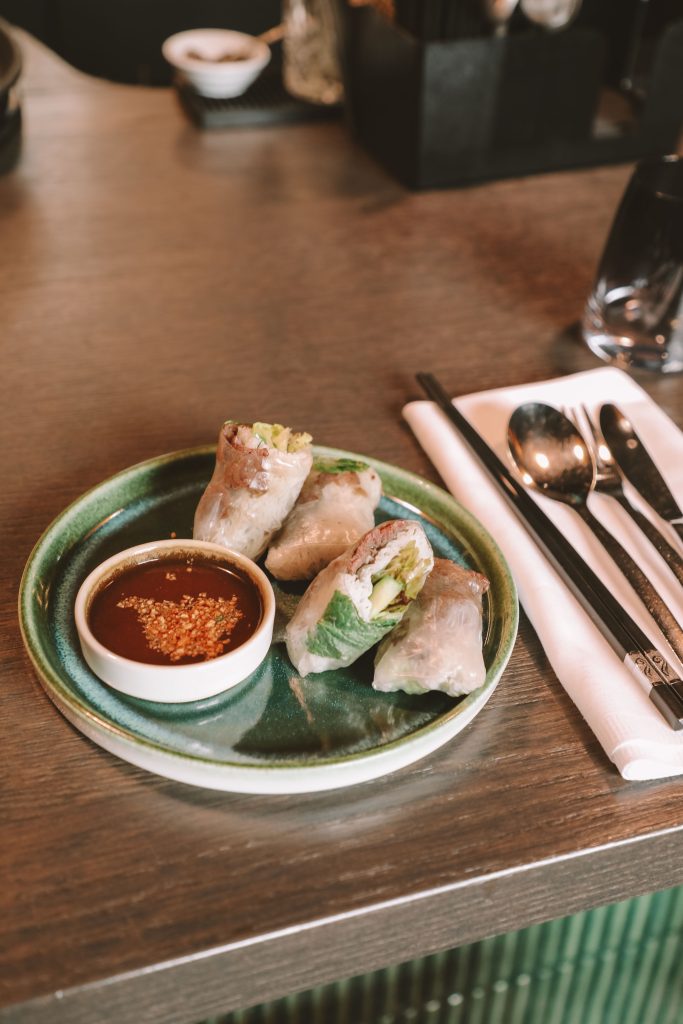
Lunch at Vina showed how refined Graz’s food scene can be. Calm, precise and self-assured.
Bookshops, Boutiques and Browsing
One of the pleasures of spending time in Graz is browsing. Independent bookshops, boutiques and antiquariates are spread throughout the city.
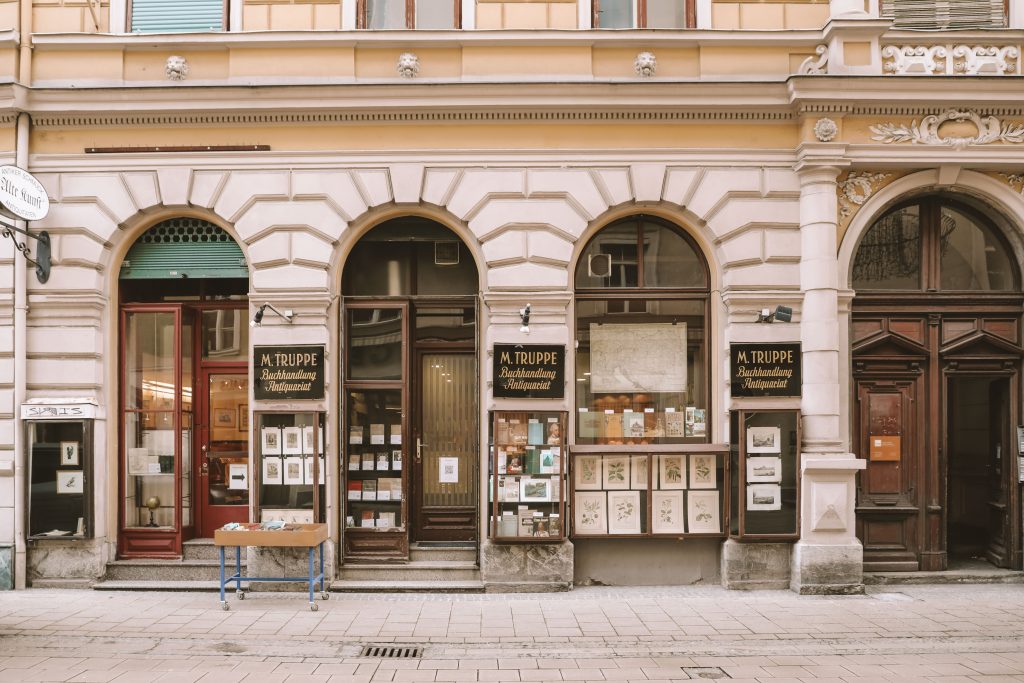
Buchhandlung Moser remains a cultural anchor in the centre, while Büchersegler reflects a younger, contemporary literary scene. Antiquariates like Antiquariat D. Wildner invite unhurried searching.
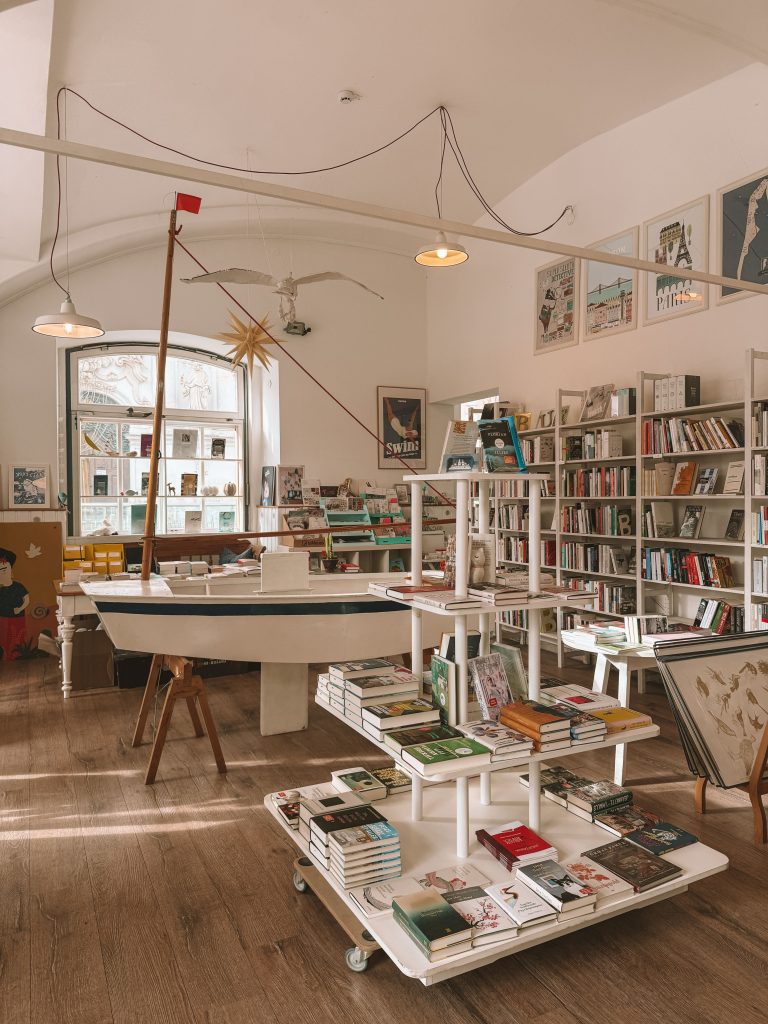
Shopping feels like part of moving through the city.
Where I Stayed
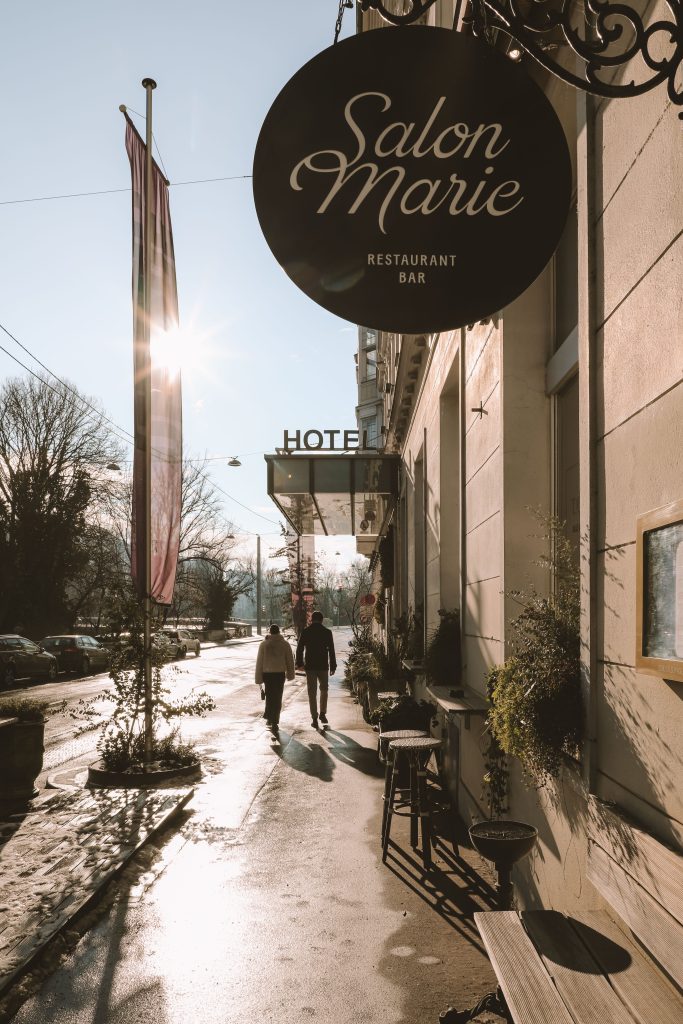
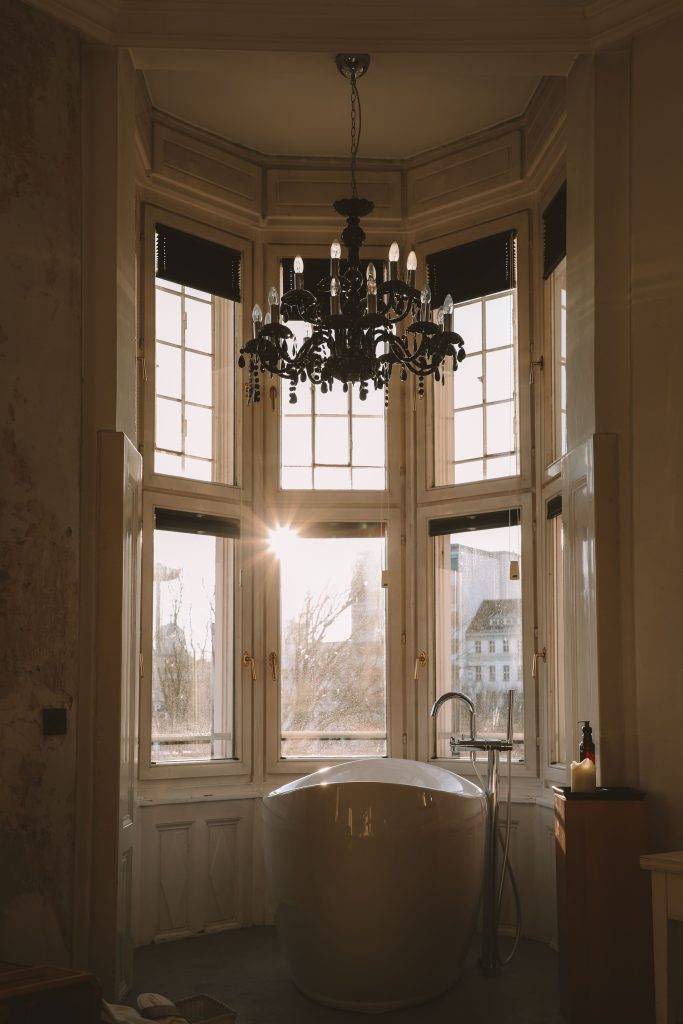
I stayed at the Grand Hotel Wiesler, a historic hotel that balances character with a relaxed, modern atmosphere. After long days outside, returning to a spacious room with views over the city felt grounding.
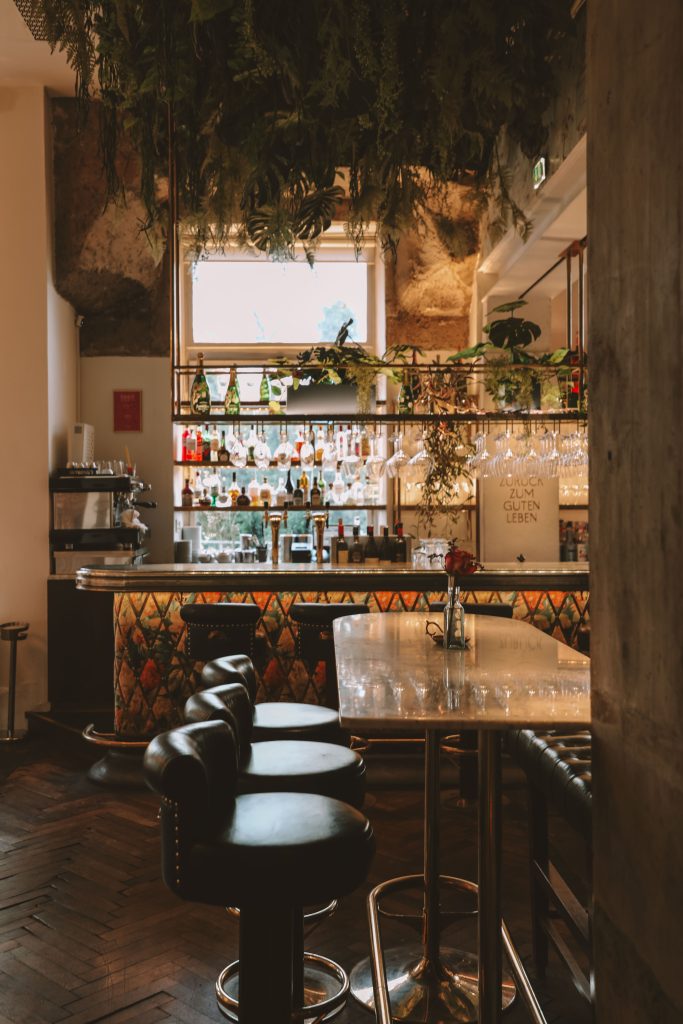
The hotel restaurant Salon Marie is lively and popular with locals, which makes the hotel feel connected to the city.
Schlossberg
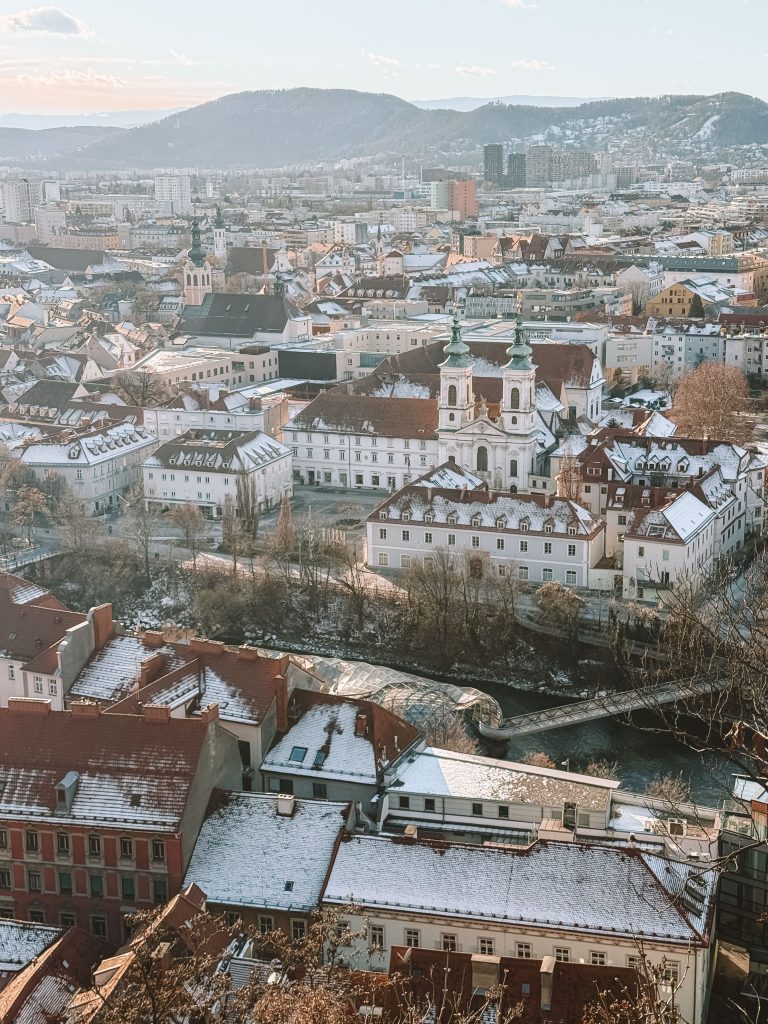
The Schlossberg shapes Graz visually. The ride up opens wide views across the old town and the surrounding landscape. Inside the mountain, walkable tunnels, a small fairy-tale train and an underground slide add an unexpected note.
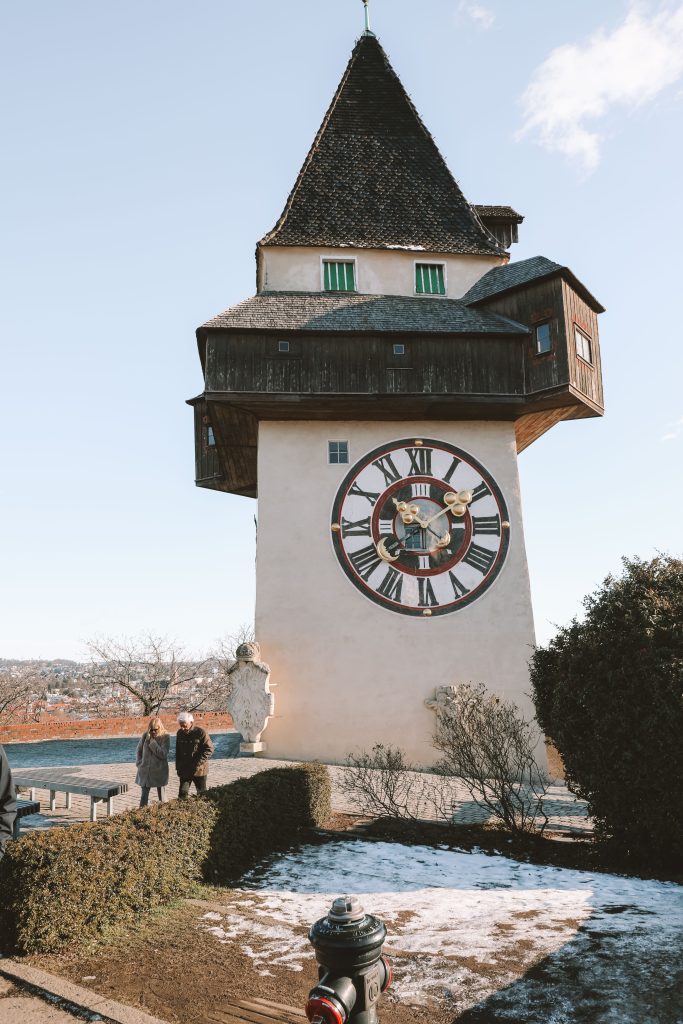
From above, the structure of the city becomes clear. Compact, layered, easy to move through.
You walk back down. The streets feel familiar by now.
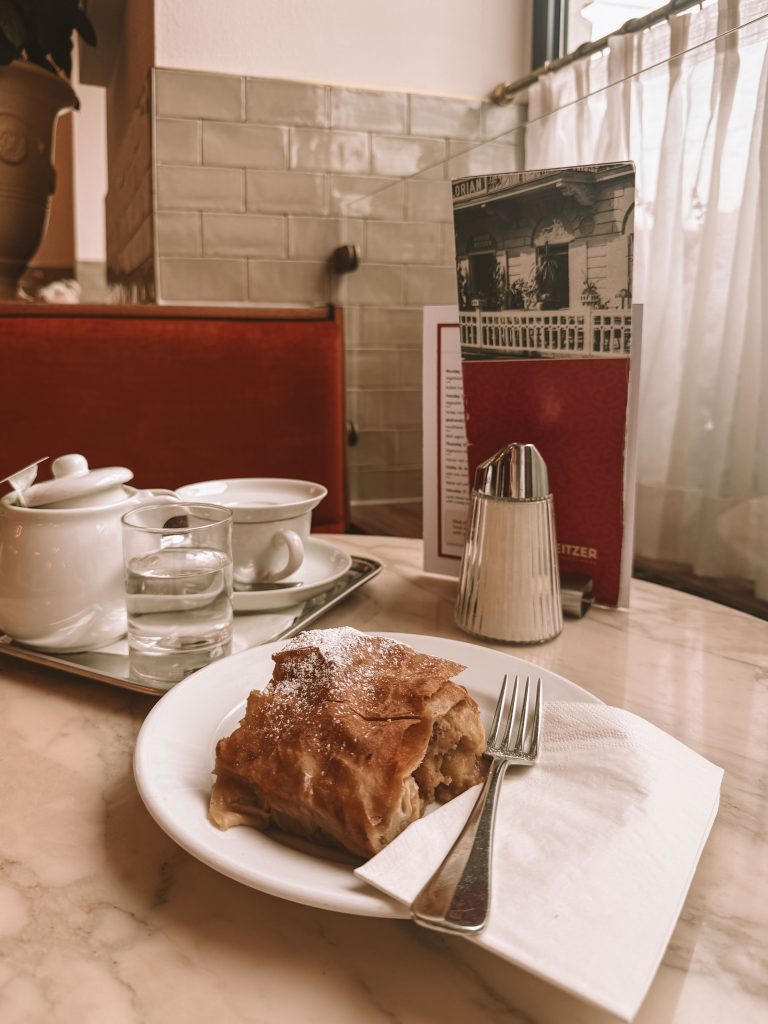
Graz isn’t a city to rush through. It rewards slowing down. Wandering without a route, taking small detours, stopping when something catches your attention. Sometimes that is a courtyard, sometimes a coffee, sometimes an unplanned Apfelstrudel.
The narrow streets, the shifting light and the quiet presence of the old town work together in subtle ways. Nothing pushes itself forward.
Good shoes help. Time helps more. The rest happens on its own.